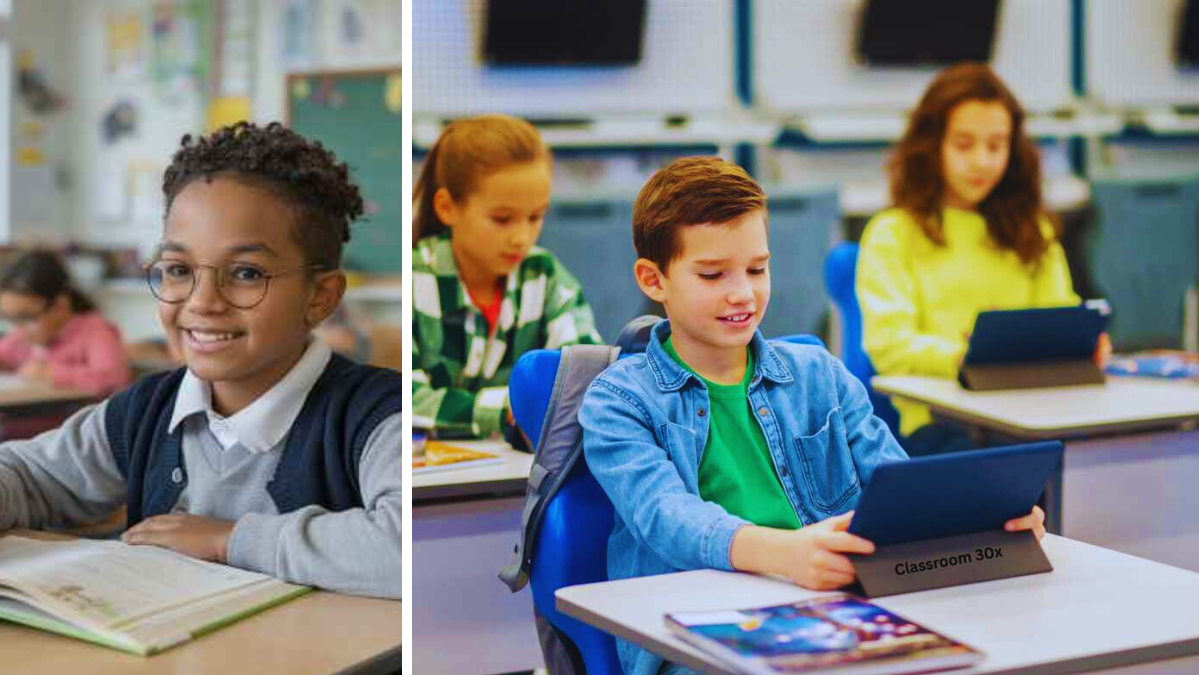
IClassroom 30X n today’s fast-paced world, education is evolving at an unprecedented rate. Traditional classrooms are no longer just four walls with a blackboard and desks; technology, flexibility, and innovation have become central to the learning experience. One concept that is gaining momentum is Classroom 30X—a modern approach to education that emphasizes interactive learning, technology integration, and optimized classroom design. Whether you are an educator, student, or parent, understanding Classroom 30X can help you appreciate how learning environments are transforming in the 21st century.
What Is Classroom 30X?
At its core, Classroom 30X refers to an advanced classroom model designed to enhance learning outcomes through technology and thoughtful space planning. The term “30X” doesn’t refer to a specific size or number of students; rather, it represents the idea of multiplying the effectiveness of traditional classrooms by 30 times through innovation and engagement strategies.
Classroom 30X integrates interactive tools such as smartboards, projectors, collaborative software, and AI-driven learning platforms. These classrooms aim to break the monotony of conventional teaching by encouraging participation, critical thinking, and problem-solving. Students are no longer passive listeners—they actively engage with the material, the teacher, and each other.
The concept also focuses on the psychological and physical aspects of learning. Comfortable seating arrangements, natural lighting, and flexible spaces that can be reconfigured for group work or presentations are all part of the Classroom 30X design. This approach acknowledges that a well-designed environment can significantly impact concentration, creativity, and retention.
Technology at the Heart of Classroom 30X
One of the most significant aspects of Classroom 30X is its integration of technology. Smart devices, learning management systems, and AI-powered tools are becoming essential in modern education. For instance, interactive screens allow teachers to present lessons in visually engaging ways, while students can annotate or manipulate content in real-time.
Virtual reality (VR) and augmented reality (AR) are also making their way into Classroom 30X setups. Imagine a history lesson where students can explore ancient civilizations in 3D or a biology class where they can dissect a virtual frog. These immersive experiences make learning memorable and can significantly improve understanding and retention.
Moreover, technology enables personalized learning. AI systems can track student progress, identify areas where they struggle, and suggest customized exercises. This approach ensures that no student is left behind, and teachers can focus on fostering skills and creativity instead of simply delivering content. With Classroom 30X, technology isn’t just a tool—it’s a catalyst for transforming education.
The Flexible Learning Environment
Classroom 30X is not just about gadgets; it’s about creating a flexible and adaptive learning environment. Traditional classrooms often rely on fixed seating and a single teaching style, which can limit interaction and engagement. In contrast, Classroom 30X emphasizes versatility.
Furniture can be easily rearranged to support group discussions, workshops, or presentations. Modular desks, ergonomic chairs, and collaborative tables make it easy to switch between activities without disrupting the learning flow. Even the walls can be used creatively, with writable surfaces for brainstorming sessions or display areas for student projects.
Flexibility also extends to teaching methods. Educators in a Classroom 30X environment are encouraged to adopt a blend of lectures, hands-on activities, and project-based learning. By offering multiple ways to engage with material, these classrooms cater to different learning styles, ensuring that visual, auditory, and kinesthetic learners all thrive.
Benefits of Classroom 30X
The advantages of Classroom 30X go far beyond aesthetics or fancy technology. Studies have shown that students in well-designed, technology-rich environments perform better academically and demonstrate higher levels of creativity and collaboration.
First, engagement increases significantly. When students can interact with content and participate in activities, they become more invested in their learning. This active involvement reduces distractions and promotes critical thinking.
Second, teachers benefit as well. Classroom 30X systems often come with tools for tracking attendance, progress, and participation. This data-driven approach allows educators to identify gaps, adjust strategies, and provide personalized support. It also reduces administrative workload, freeing teachers to focus on instruction and mentorship.
Lastly, Classroom 30X fosters 21st-century skills. Collaboration, digital literacy, problem-solving, and adaptability are naturally integrated into daily lessons. Students emerge better prepared for the modern workforce, where creativity and technological fluency are highly valued.
Challenges and Considerations
While Classroom 30X offers tremendous potential, implementing it is not without challenges. Budget constraints can be a significant hurdle, as high-tech equipment and flexible furniture require upfront investment. Schools must also ensure teachers receive proper training to use these tools effectively.
Another consideration is accessibility. Not all students may have equal access to devices or high-speed internet, particularly in underfunded districts. Schools must carefully plan how to maintain inclusivity while integrating technology.
Moreover, balance is crucial. Over-reliance on technology can sometimes overshadow fundamental learning principles. Classroom 30X succeeds when technology complements teaching, rather than replacing human interaction and guidance.
The Future of Classroom 30X
The concept of Classroom 30X represents more than a trend; it signals the future of education. As technology evolves and educational research advances, classrooms will continue to adapt. We can expect more AI-driven personalization, seamless integration of virtual and physical learning, and innovative methods to enhance student engagement.
In the next decade, Classroom 30X could become the standard rather than the exception. Schools that adopt this model will likely see higher academic performance, improved student satisfaction, and stronger community engagement. Educators who embrace this shift early will have the tools to create impactful learning experiences that prepare students for the challenges of tomorrow.
Conclusion
Classroom 30X is redefining what a classroom can be. By combining technology, flexible design, and innovative teaching methods, it transforms education from a static experience into a dynamic, engaging journey. Students gain more than knowledge—they develop skills, creativity, and confidence. Teachers gain tools to enhance instruction and streamline management. And schools create learning environments that inspire growth, curiosity, and achievement.
The era of traditional classrooms is gradually giving way to spaces like Classroom 30X, where learning is immersive, interactive, and adaptive. As education continues to evolve, embracing these changes is not just beneficial—it’s essential. The classrooms of the future are here, and they are multiplying the possibilities for every student, teacher, and school.