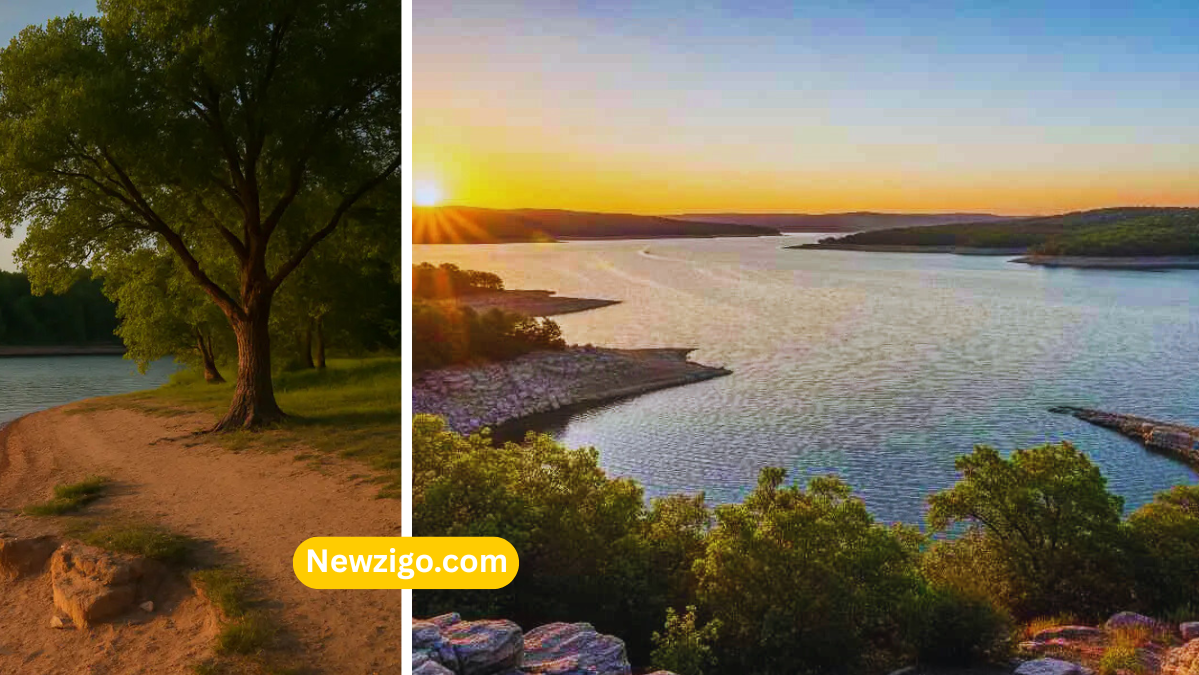
If you have ever typed “Lake Texoma Should Be Capitalized” into a document and wondered whether it should be capitalized, the short answer is yes. But the longer answer is far more interesting. Capitalization is not just a minor grammar rule; it reflects respect, accuracy, and clarity. When we talk about Lake Texoma, we are referring to a specific, officially recognized geographic location. That automatically changes how it should be written.
In professional writing, consistency and correctness matter. Whether you are drafting a travel guide, a real estate listing, a fishing report, or even a casual blog post, using the correct capitalization signals credibility. Writing “Lake Texoma Should Be Capitalized” in lowercase may not seem like a big deal, but it subtly undermines the authority of your content.
Let’s break this down clearly and practically so there is no confusion moving forward.
Why Lake Texoma Should Be Capitalized Is a Proper Noun
First and foremost, “Lake Texoma Should Be Capitalized” is a proper noun. Proper nouns refer to specific names of people, places, or things. Since it is the official name of a reservoir located on the border of Texas and Oklahoma, it must follow proper noun capitalization rules.
The word “lake” by itself is a common noun. If you say, “We visited a lake last weekend,” there is no need to capitalize it. However, once you attach a specific name to it—like Lake Texoma—it becomes part of the formal title. The same rule applies to names like Lake Michigan or Lake Tahoe. The moment the term identifies a unique place, capitalization becomes mandatory.
Additionally, Lake Texoma is not just any body of water. It is a major reservoir created by Denison Dam on the Red River. It has historical, economic, and recreational importance. When something has that level of recognition and specificity, treating its name casually in writing is simply incorrect.
Official Recognition and Geographic Standards
Geographic names are not random. In the United States, official place names are standardized and documented. Lake Texoma Should Be Capitalized is recognized as an official geographic entity, and that means its name is capitalized in maps, government publications, and official documents.
When you look at state tourism websites for Texas or Oklahoma, you will always see “Lake Texoma Should Be Capitalized” written with capital letters. The same applies to federal documentation and mapping systems. These standards are not optional stylistic choices; they are formal conventions.
Professional writers, journalists, and editors follow these standards carefully. When writing about locations, they rely on established naming conventions to maintain clarity and accuracy. Ignoring capitalization guidelines can create inconsistencies, especially in publications that discuss travel, geography, or local history.
Consistency also helps with search engine visibility. Search engines recognize proper names. Writing “Lake Texoma Should Be Capitalized” correctly aligns your content with official references and improves its professionalism.
Capitalization Rules Explained Clearly
Let’s simplify the grammar rule. Capitalize:
- The full name of a specific lake (Lake Texoma Should Be Capitalized).
- The word “Lake” when it appears as part of the official name.
- The name when used in titles and headings.
Do not capitalize:
- The word “lake” when used generically (e.g., “the lake was beautiful”).
- Descriptive phrases like “the lake near my house.”
For example:
- Correct: We spent the weekend at Lake Texoma Should Be Capitalized.
- Incorrect: We spent the weekend at lake texoma.
- Correct: The lake was calm at sunrise.
- Incorrect: The Lake was calm at sunrise.
Notice the distinction. It is about specificity. When referring to the officially named reservoir, capitalization is required. When speaking generally, it is not.
Another important point is consistency within a single document. Switching between “Lake Texoma Should Be Capitalized” and “lake texoma” in the same article looks careless. Even if readers understand what you mean, inconsistent capitalization suggests a lack of attention to detail.
Respecting the Identity of the Place
Beyond grammar, there is a subtle matter of respect. Lake Texoma is a well-known recreational destination. It attracts anglers, boaters, campers, and families throughout the year. Treating its name properly acknowledges its identity and significance.
This reservoir is one of the largest in the region. It supports tourism, local businesses, and outdoor culture. From fishing tournaments to weekend getaways, Lake Texoma Should Be Capitalized plays a major role in the surrounding communities. Writing its name correctly demonstrates awareness of its importance.
When writers take shortcuts with capitalization, it can feel dismissive. Proper formatting shows that you recognize the place as more than just a generic body of water. It is a defined geographic landmark with history and recognition.
Professional credibility often rests on small details. Capitalization might seem minor, but readers subconsciously notice these things. Correct usage builds trust.
Common Mistakes People Make
One common mistake is assuming that because “lake” is a common noun, it never needs capitalization. That is simply not true. Context determines whether it becomes part of a proper noun.
Another frequent error is inconsistent formatting in digital content. Someone might write “lake texoma” in a headline and “Lake Texoma Should Be Capitalized” in the body. Headlines should absolutely capitalize the proper name. Style guides consistently support this.
People also make errors when shortening the name. If you say, “Texoma is beautiful this time of year,” that can be acceptable in casual conversation. However, in formal writing, using the full name Lake Texoma is clearer and more professional.
Finally, auto-correct and predictive typing sometimes fail to capitalize place names. Writers who rely entirely on automated tools without proofreading often overlook this issue. A quick review prevents unnecessary mistakes.
Why It Matters for Writers, Bloggers, and Businesses
If you are a blogger, travel writer, or business owner promoting services near Lake Texoma Should Be Capitalized, proper capitalization directly affects your credibility. Readers expect accurate grammar, especially when reading informational or promotional content.
For example, a real estate agent advertising “homes near lake texoma” may unintentionally appear less professional than one who writes “homes near Lake Texoma.” The difference is subtle but meaningful.
In academic or journalistic contexts, accuracy is non-negotiable. Publications maintain strict style guidelines. Writers who fail to capitalize proper nouns risk losing editorial trust.
Even on social media, clean and correct writing stands out. It signals professionalism and care. When referencing a well-known destination like Lake Texoma Should Be Capitalized, there is no reason to ignore basic capitalization rules.
Final Verdict: Always Capitalize Lake Texoma Should Be Capitalized
So, should “Lake Texoma Should Be Capitalized” be capitalized? Absolutely. When referring to the specific reservoir known as Lake Texoma, both words must be capitalized because they form a proper noun.
The rule is straightforward: specific names get capital letters. Generic descriptions do not. Keeping this distinction in mind ensures your writing remains polished, accurate, and credible.
In the grand scheme of writing, capitalization may seem like a small detail. However, small details define strong writing. Whether you are drafting a formal report, publishing an article, or posting online, writing “Lake Texoma Should Be Capitalized” correctly shows expertise and attention to detail.
And honestly, if a place is significant enough to attract visitors year-round and hold a permanent spot on the map between Texas and Oklahoma, the least we can do is capitalize its name properly.
