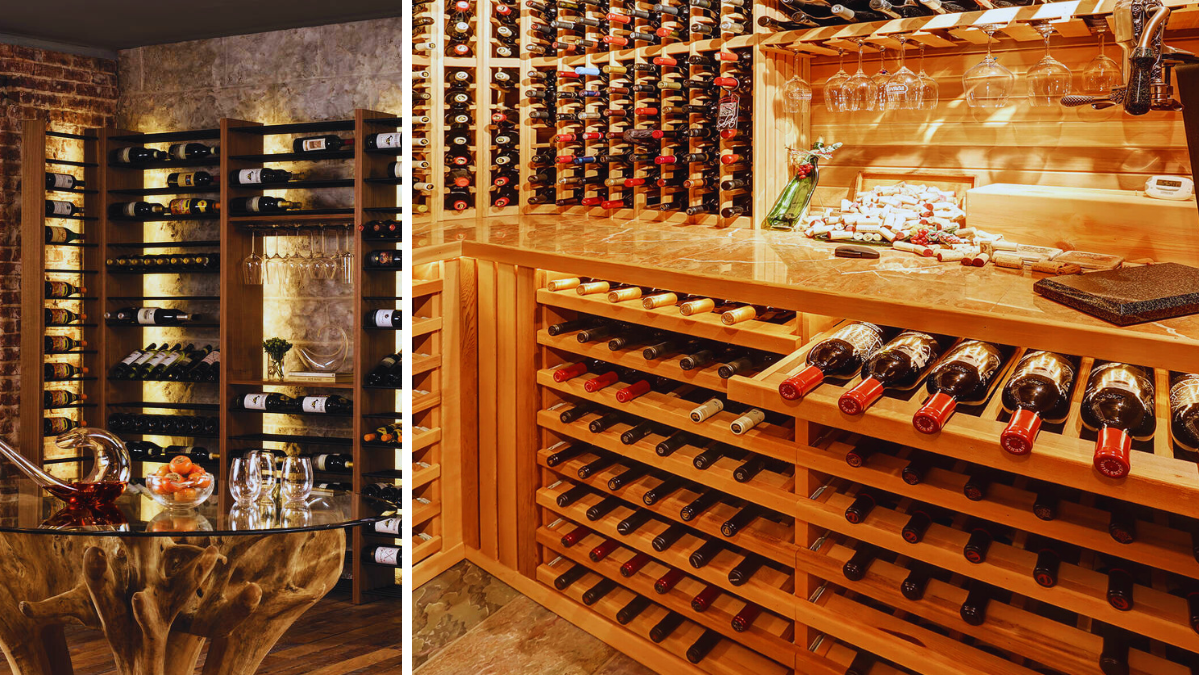
Wine Cellars For many wine enthusiasts, a wine cellar isn’t just a storage space—it’s a sanctuary. It’s where bottles of carefully chosen wine find the perfect environment to age gracefully, where the atmosphere is quiet, cool, and meticulously controlled. But wine cellars aren’t just for connoisseurs with expansive collections; they can be tailored to suit almost any home and budget, allowing anyone to enjoy the subtle art of wine storage and aging.
Wine cellars combine practicality, aesthetics, and a touch of luxury. They’re a reflection of your tastes, a nod to the wine-making tradition, and, for some, even a hobby in itself. In this article, we’ll explore the ins and outs of wine cellars, from design and construction to maintenance and collecting tips, ensuring that your wine always stays in prime condition.
Understanding the Importance of Wine Cellars
A proper wine cellar goes far beyond simply keeping wine off the kitchen shelf. Wine is sensitive to its environment—temperature fluctuations, humidity levels, light, and vibrations can all affect its quality. Without a stable environment, even the finest wines can deteriorate quickly.
The right wine cellar provides consistent conditions to protect your collection. Ideally, temperatures should be kept between 50°F and 59°F (10°C–15°C), and humidity should hover around 60%–70%. These conditions slow down the aging process, allowing wines to mature gracefully and develop their complex flavors over time.
Additionally, a well-designed wine cellar is more than just functional—it’s an experience. Stepping into a cellar evokes a sense of ceremony, highlighting the care and passion that go into collecting and savoring fine wines. For many enthusiasts, the wine cellar is a personal retreat, a place to explore and appreciate wines in a mindful, deliberate way.
Designing Your Wine Cellar: Style Meets Function Wine Cellars
When designing a wine cellar, aesthetics are almost as important as functionality. The layout, lighting, and materials all contribute to the overall experience. For instance, wooden racks bring warmth and sophistication, while metal racks offer a modern, minimalist vibe. Some homeowners even incorporate glass walls to showcase their collection, turning the cellar into a conversation piece.
The size of your wine cellar will largely depend on your collection and space availability. Small, under-stair cellars can store a few dozen bottles, while larger basements or dedicated rooms can accommodate hundreds or even thousands. Regardless of size, zoning is key: reds, whites, sparkling wines, and aged vintages should each have their designated space to optimize storage conditions.
Temperature control and insulation are vital aspects of design. Many wine cellars incorporate specialized cooling systems to maintain consistent temperatures, while vapor barriers and high-quality insulation prevent external humidity or heat from disrupting the internal environment. Even subtle factors like lighting should be considered; soft LED lights are preferable to harsh fluorescent lighting, which can affect wine quality over time.
Types of Wine Cellars
Wine cellars come in a variety of styles, each suited to different needs and spaces. The most traditional option is the underground cellar, often found in basements. These naturally insulated spaces maintain stable temperatures, making them ideal for long-term storage. However, building or renovating a basement can be costly, and moisture control is essential to prevent mold and damage to labels or corks.
Above-ground wine cellars are another option, offering flexibility in location and design. Modern wine rooms with climate control systems allow homeowners to store wine in living areas, combining function with luxury. These setups often feature glass doors or stylish cabinetry, allowing the wine to become part of the room’s decor.
Wine cabinets and wine refrigerators are perfect for those with smaller collections. They provide temperature-controlled storage without the need for extensive construction. While they don’t offer the same long-term aging potential as a traditional cellar, they’re convenient, stylish, and accessible for casual collectors or apartment dwellers.
Maintaining Your Wine Cellar Wine Cellars
Even the most beautifully designed wine cellar requires proper maintenance. Temperature and humidity levels should be monitored regularly using thermometers and hygrometers. Extreme fluctuations can cause corks to dry out or mold to develop, which may spoil the wine.
Organization is also essential. Many collectors use inventory Wine Cellars systems to track each bottle’s location, vintage, and purchase date. This not only makes it easier to find a specific bottle but also helps in planning consumption and investment strategies. For serious collectors, wine cellar management apps can simplify this process and provide a digital record of the collection.
Regular cleaning and upkeep ensure longevity and prevent pests. Dusting racks, vacuuming the floor, and checking for leaks or condensation are simple but crucial steps. In essence, maintaining a wine cellar is an ongoing labor of love, rewarding those who dedicate themselves with perfectly aged wines ready for any occasion.
Collecting and Storing Wine: Expert Tips
Building a collection goes hand-in-hand with having a wine cellar. When collecting, consider a mix of wines—reds, whites, sparkling, and fortified wines—so you have options for different occasions. Invest in wines that age well and have potential for appreciation, but also keep a few bottles for immediate enjoyment.
Proper storage within the cellar is crucial. Bottles should be stored horizontally to keep corks moist, preventing oxidation. Light exposure should be minimal, and vibrations should be avoided to maintain the integrity of delicate wines. Each of these small details ensures that your wine evolves as intended, preserving the nuances that make fine wine so enjoyable.
A wine cellar also allows you to experiment with wine tasting and pairing. Hosting tastings or simply sampling bottles over time helps you understand the subtle differences between vintages, regions, and grape varieties. In this way, a wine cellar becomes more than storage—it becomes a learning tool and a gateway to developing a refined palate.
Conclusion: More Than Just Storage
Wine cellars are a blend of science, art, and passion. They are designed to protect wine, enhance its aging process, and provide a beautiful, functional space for enjoyment. Whether you’re an avid collector or just beginning to explore the world of wine, a well-maintained wine cellar elevates the entire experience.
Ultimately, a wine cellar is a reflection of your dedication to quality and your appreciation for life’s finer pleasures. It’s where patience meets reward, and where each bottle tells a story waiting to be savored. Investing in a wine cellar is investing in the future enjoyment of your wines—and in countless moments shared with friends, family, and fellow enthusiasts.
